
Companies today rely more than ever on reliable, secure and fast networks. Although the talk is typically about Wi-Fi speeds or cloud applications However, what most people don’t understand is that behind every smooth connection is a well-planned structured cabling system that is the invisible framework that holds the entire network together.
It’s not an option to have the right structured cabling, it’s a requirement.
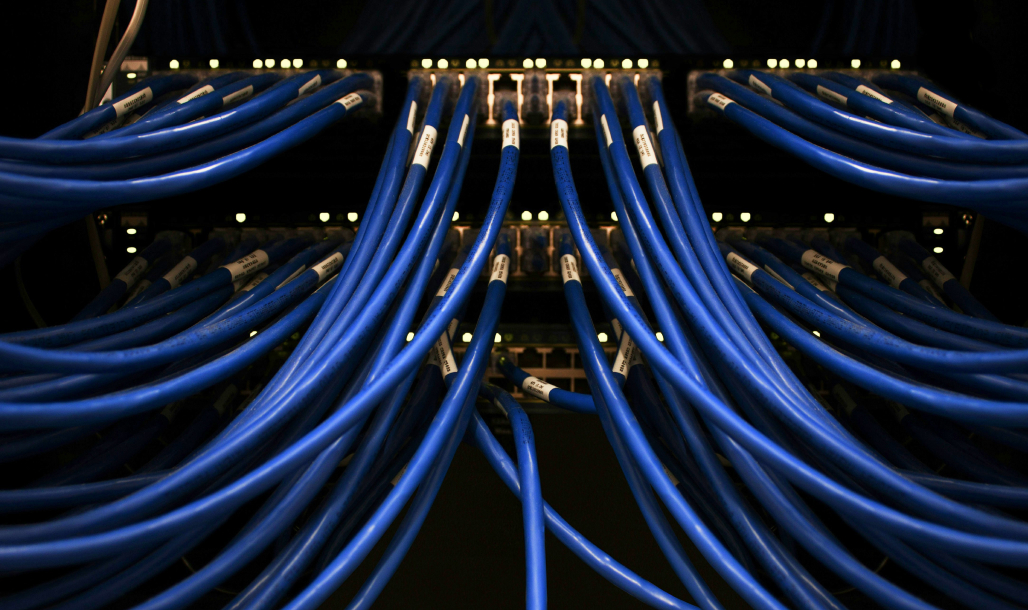
Image credit: gokaravan.com
What is Structured Cabling Really?
Structured cabling is the physical structure of your IT infrastructure. It’s a standard way of organizing cables and hardware so that everything phones, computers, security systems, as well as servers, can be connected and communicate effectively. Structured cabling is practical and clean. It adapts to your evolving tech.
A well-planned cabling infrastructure can support data, voice, and multimedia across the entire enterprise. It’s modular. That means you can expand, relocate or switch the systems with little disruption. It’s also adaptable, capable of growing in line with your company.
The reason Structured Cabling Services Are Important
The best solution for structured cabling can’t be one size fits all. Each building, industry, and type of business has distinct demands for performance. It’s essential to work with a cabling company who is skilled in.
Professionals will assess your existing infrastructure, future needs and the physical layout in order to create an individual layout. These services include horizontal and backbone cabling, patch panels, distribution frames and quality assurance testing of every cable.
Karavan Technology is one example of a company offering an end-to-end structured cabling solution across the US, Canada and beyond. The services are created for easy installations and high-performance environments. The company offers solutions that range from Cat5E cabling up to high-frequency Cat7 cables that are capable of handling 1200MHz.
Installation of Structured Cabling
One of the biggest misconceptions is that structured cabling installation is disruptive. In truth, a skilled team can perform installations quickly and cleanly often without affecting daily operations.
Here’s the typical setup:
1. Engineers will assess the space and determine cable routes. They also draw each endpoint.
2. Installation: Cables, racks or patch panels as well as outlets are well-placed and labeled.
3. Testing and certification: Every connection is tested for the quality of the signal, and then tested and certified in accordance with performance standards.
4. Documentation: An entire map of the cable system you have is available for future troubleshooting and upgrade.
The final product is a system that’s ready to plug and play. It will be with you for many years to come.
Future-Proofing Structured Cabling Systems
The technology evolves quickly, and your infrastructure should as well. A well-designed structured cabling system gives you future-proofing benefits and makes it easy to upgrade or expand without having to start all over again. It is possible to connect new workstations, devices, or servers without having to undergo complete overhaul.
In addition to that, as demands for data grow especially in cloud computing and videoconferencing, a solid foundation will prevent bottlenecks and guarantee reliable performance. No more delays, zero signal loss and no expensive downtime as a result due to outdated wiring.
Final Thoughts
Structured cabling may be away from sight but it should not be forgotten. This is the base of an efficient, secure network that can support all of your operations. It can boost the efficiency of your company and set the foundations to succeed in the future with expertly structured cable installation.
If you are opening a brand new office, upgrading your existing system, or contemplating a large-scale deployment, you will not regret making the investment in an organized cabling solution.