
Infantile spasms, formerly known as West syndrome, is a rare and serious epilepsy condition that affects babies. These seizures are brief, repetitive jerks which can cause developmental issues in the future if they are not diagnosed and treated promptly. Recognizing the symptoms of infantile jerks as the parent can make a huge difference in your child’s development.
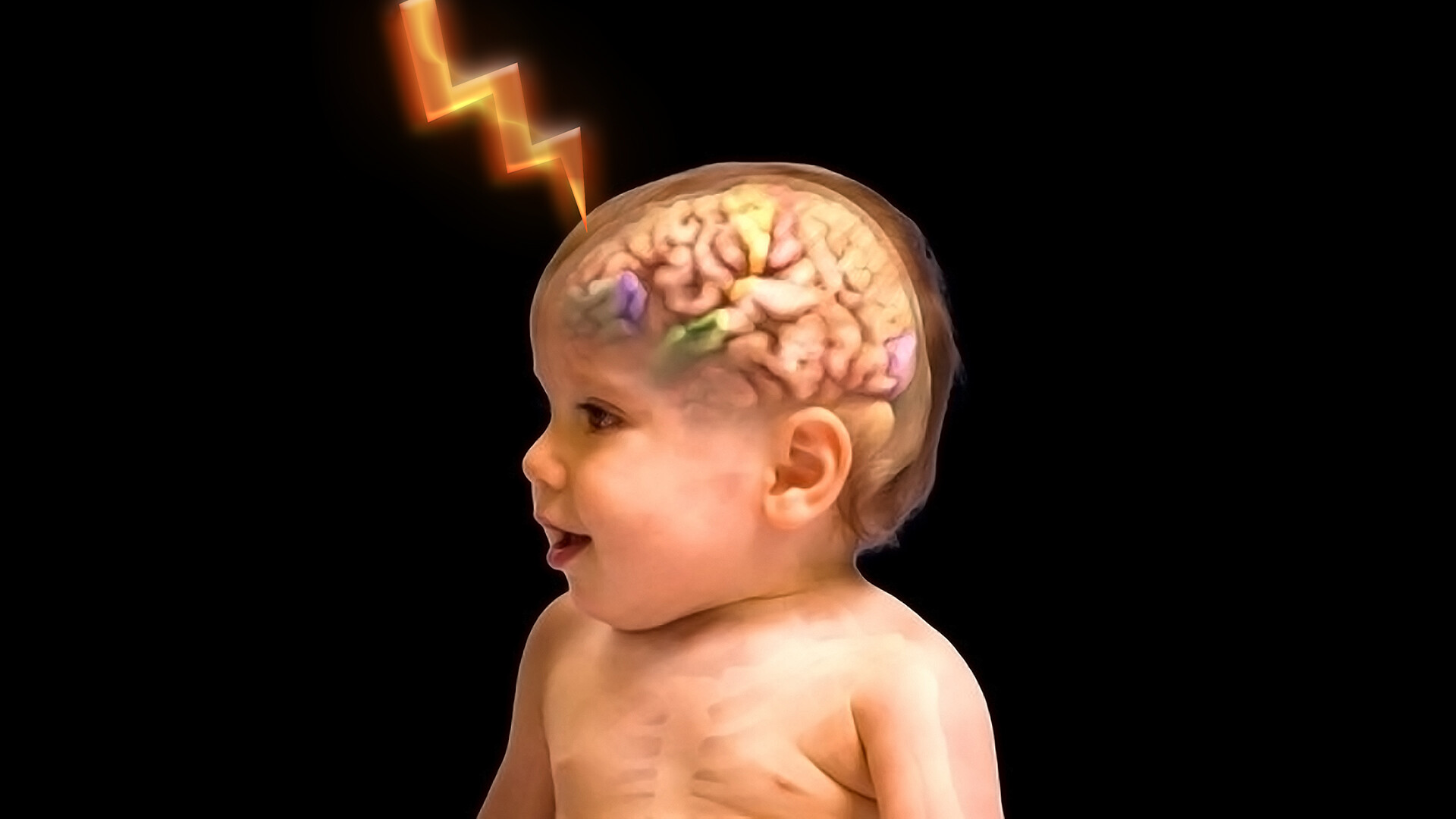
Spasms in infants: symptoms and signs to look out for
Infantile spasms are often subtle and can be mistaken for normal movement in infants. But there are some specific characteristics to look out for:
A sudden jerk. The spasms are usually felt in the neck or upper part of a newborn, which can cause them to rapidly bend to the side. Furthermore, the legs and arms may flex or stretch rapidly.
Acute episodes: These tend to be jerks that occur in groups of a number of spasms over an extremely short time (seconds to minutes). These spasm clusters could happen throughout the entire day.
Babies may look agitated or cry during a rage of screams.
The Power of Video: Capturing Infantile Spasms for Early Diagnosis
You must act swiftly should you suspect that your child may be experiencing spasms in the infant. To ensure prompt diagnosis and effective treatment, each second counts. The ability to record a video can save your life:
Visual evidence: Documenting your child’s experience with a series of spasms gives doctors valuable evidence of visuals to help diagnose. These short events are sometimes overlooked by doctors during an appointment.
Clear video footage can help doctors to accurately identify infantile seizures. It also helps distinguish them from other types of seizures or normal movements of babies.
Treatment speed: Early diagnosis could facilitate treatment in a short time, potentially minimizing developmental delays that are associated with untreated spasms among infants.
Don’t put off: Take Action If you suspect infantile spasms
If you observe your child being prone to infantile spasms, the following symptoms may be present:
Create videos. Make use of your camera or phone to capture as as much detail of the spasms as is possible.
Get in touch with your pediatrician right away: Getting your child seen by their pediatrician is crucial. Make sure to share the video and talk about your concerns.
You should seek immediate emergency treatment, if necessary. If you’re unable to contact your pediatrician right away, take the infant and video recorder to a nearby emergency department for children.
Early Intervention is the key to Protecting Your Child’s Future
Infantile spasms can be a trigger to cause significant developmental delays, encompassing a spectrum of challenges such as intellectual disabilities, autism spectrum disorder as well as cerebral palsy. It is important to diagnose your child promptly and intervene immediately to increase the odds of recovery and milestones for your child. The treatment for infantile spasms is by a variety of methods including diet changes, or medications. For more serious cases it may require surgery. In addressing this condition with appropriate medical management as soon possible parents increase the chance of minimizing any long-term consequences and assisting their child on his or their journey to improve cognitive and motor function. Learn more here Infantile Spasms Symptoms
Don’t be afraid to listen to your feelings if there is the suspicion that something could be wrong with your baby. It is always better to be cautious instead of being sorry. If you are aware of signs of infantile spasms recording a video when you see the signs, and seeking immediate medical attention, you will be able to take crucial steps towards ensuring your child’s health as well as his future well-being.